

Should I Have TMD Treated? Understanding the Importance of Early Care
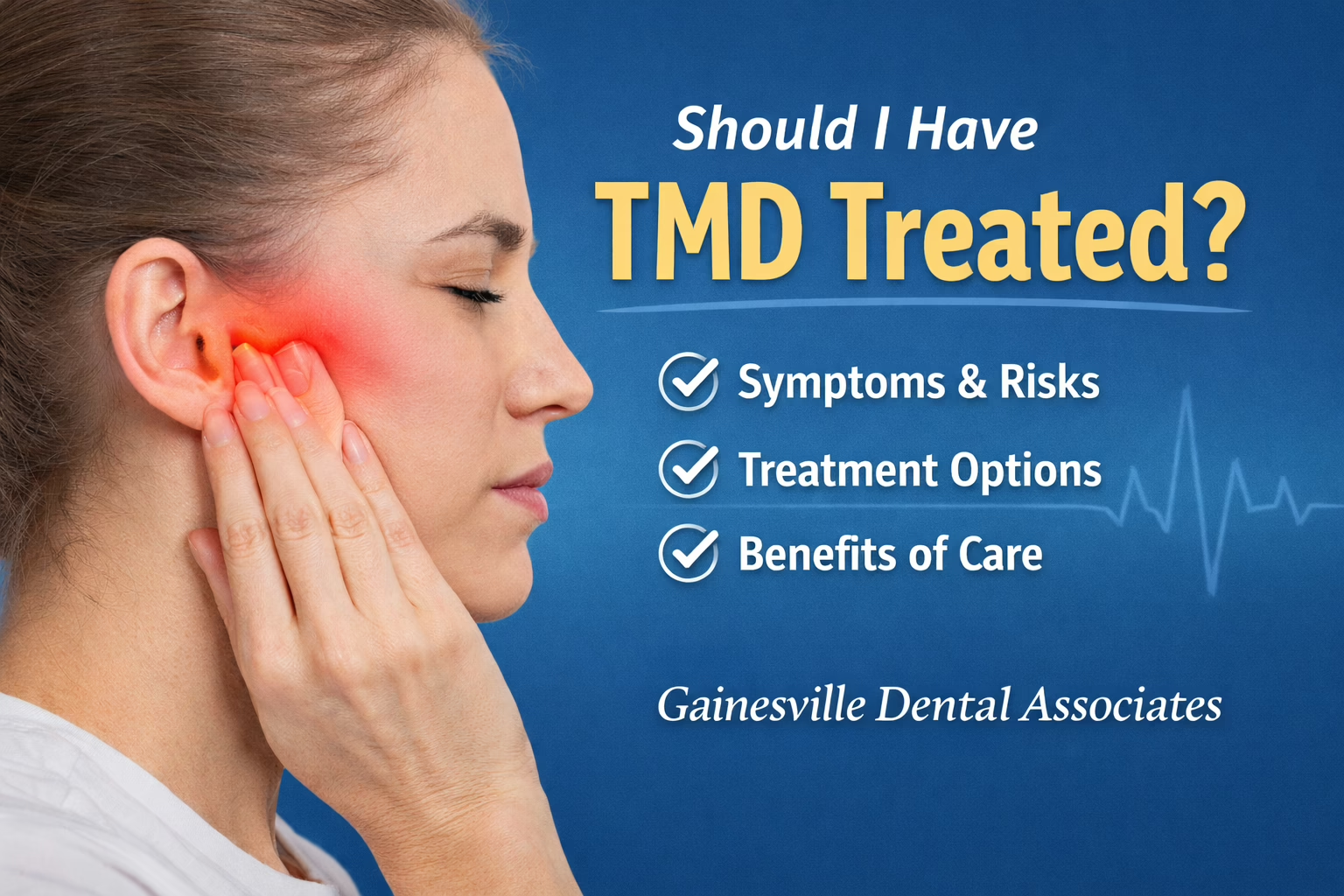
Temporomandibular disorder (TMD) affects millions of people and can significantly impact daily life, comfort, and oral health. But understanding when treatment is needed, why it matters, and what effective care looks like can make all the difference in finding relief and protecting your smile.
Below, Gainesville Dental Associates explains the causes, symptoms, treatment options, benefits of care, and answers common questions patients ask about TMD.
What Is TMD?
TMD refers to a group of conditions that affect the temporomandibular joints (TMJs) — the complex hinge joints that connect your jaw to your skull, located in front of each ear. These joints help you chew, speak, yawn, and move your jaw. When something goes wrong with the joint itself or the muscles that control jaw movement, TMD can develop.
Unlike acute injuries, the exact causes of TMD are often multifactorial, involving genetics, stress, muscle tension, dental bite issues, clenching/grinding habits (bruxism), trauma, and lifestyle factors.
Common Symptoms of TMD
Not all jaw pain means TMD, but typical warning signs include:
-
Jaw pain or tenderness
-
Clicking, popping, or grinding sounds
-
Limited ability to open or close your mouth
-
Jaw locking or stiffness
-
Headaches, neck pain, or earaches
-
Tooth pain or sensitivity without obvious dental cause
These symptoms may come and go or persist and worsen over time.
Should I Get TMD Treated?
Yes — If Symptoms Are Affecting Your Function or Comfort
Even if symptoms start mild, ignoring TMD can lead to worse pain, dental wear, or functional problems. Untreated TMD may put extra stress on teeth and muscles, potentially leading to:
-
Increased tooth wear, chips, cracks, or fractures
-
Chronic muscle tension and headaches
-
Difficulty eating, speaking, or social interactions
-
Sleep disturbances related to pain or bruxism
Research suggests that many people’s symptoms may improve with early, conservative treatment, particularly when guided by a dental professional who understands jaw function and orofacial pain.
How Is TMD Diagnosed?
A proper diagnosis starts with a clinical assessment, including a dental exam, jaw motion evaluation, and symptom history. In some cases, imaging studies like X-rays, CT scans, or MRI may be used to rule out other conditions and reveal joint structure issues.
Evidence-Based Treatment Options
Modern treatment focuses on conservative, reversible approaches before considering more invasive interventions. Experts generally recommend beginning with non-surgical options because:
-
Most TMD cases are temporary or mild
-
Simple self-care often reduces symptoms
-
Surgery and irreversible procedures carry greater risks
1. Self-Care and Lifestyle Changes
These strategies reduce muscle strain and inflammation:
-
Eat soft foods during flare-ups
-
Avoid gum chewing or hard foods
-
Apply ice or heat to the jaw
-
Practice jaw relaxation and gentle stretching
-
Manage stress with deep breathing or relaxation techniques
2. Custom Oral Appliances
Dentists may prescribe nightguards or splints to protect against clenching and grinding without permanently changing your bite.
3. Medication and Physical Therapy
Over-the-counter pain relievers and muscle relaxants can ease symptoms temporarily, but they are most effective when combined with physical therapy and targeted jaw exercises.
4. Advanced Non-Surgical Therapies
In select cases, complementary approaches such as TENS (electrical nerve stimulation) or acupuncture may help manage pain when used alongside conventional care.
5. Surgical Options
Oral Surgery is rarely needed and recommended only when conservative care fails and symptoms significantly affect quality of life.
Why Early Treatment Matters
Early intervention for TMD can help:
-
Reduce pain and stiffness
-
Prevent further dental damage
-
Improve jaw movement and daily function
-
Decrease dependency on pain medication
-
Help you sleep better and reduce related headaches
By working with a dentist trained in TMD management, you’ll get an individualized care plan that balances comfort, safety, and effectiveness.
FAQs About TMD
Q: Can TMD go away without treatment?
In many mild cases, symptoms may improve with self-care and habit changes. Still, persistent pain or functional issues should be evaluated by a dental professional.
Q: Does TMD only affect older adults?
No. TMD can occur at any age, but it’s most common in adults between ages 20 and 40 and tends to be reported more often in women.
Q: Will I need surgery for TMD?
Surgery is rarely the first choice. Conservative care is usually recommended first, with surgical options considered only if symptoms don’t improve and quality of life is impacted.
Q: Are irreversible dental procedures recommended for TMD?
Experts generally advise against irreversible treatments like grinding down teeth or permanent bite changes because evidence doesn’t clearly support their effectiveness and they may worsen symptoms.
Q: Does insurance cover TMD treatment?
Coverage varies widely, and not all plans treat TMD care like standard dental treatment. Your provider can help you understand your benefits and treatment options.
Choosing the Right Care
TMD impacts both comfort and everyday function. That’s why it’s important to consult a dental professional with experience in diagnosing and managing TMJ disorders. At Gainesville Dental Associates, our team offers evidence-based care tailored to your needs, delivered with compassion and clinical expertise.
If you’re experiencing persistent jaw pain, clicking, stiffness, or headaches, don’t wait for it to worsen — schedule a consultation with us to explore your personalized TMD care plan.